
India is rapidly modernizing its transportation network to improve mobility, reduce travel time, and support economic growth. Two major pillars of this infrastructure revolution are road highway tunnels and railway survey operations. While road tunnels are helping India overcome tough mountain terrains and urban congestion, railway surveys are ensuring the development of safe, efficient railway lines across the country.
This article explores the evolution, importance, major projects, benefits, and techniques involved in road highway tunnels in India and the critical role of railway surveying.
Road & Highway Tunnels in India
Why India Needs Tunnels
India’s diverse landscape includes the Himalayan mountains, Western Ghats, plateau regions, and dense urban zones. Conventional roads in such regions often face challenges like steep gradients, landslides, snow blockages, and traffic congestion. Tunnels serve as engineering solutions that:
- Reduce travel time
- Boost military logistics in border areas
- Connect remote locations
- Ensure all-weather connectivity
- Enhance road safety
- Support tourism & trade
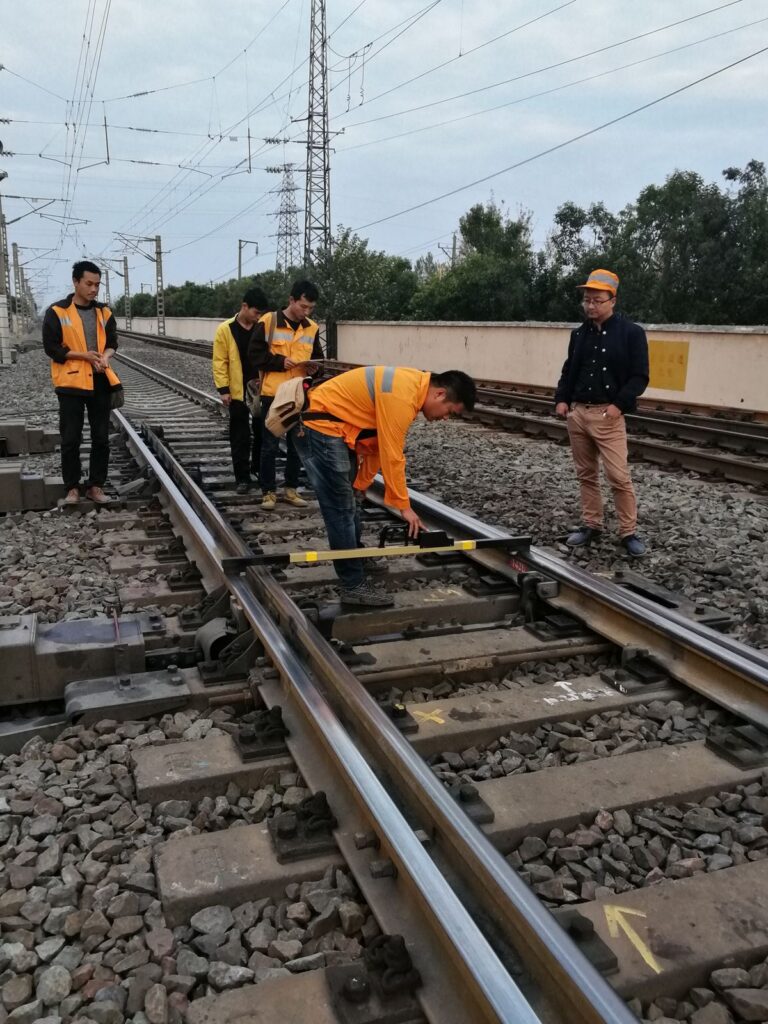
Major Road Highway Tunnels in India
✅ Atal Tunnel, Himachal Pradesh
- Length: 9.02 km
- Opened: 2020
- Significance: World’s longest highway tunnel at above 10,000 ft.
- Purpose: Connects Manali to Lahaul-Spiti; reduces travel by 4-5 hours.
✅ Zoji La Tunnel (Under Construction)
- Length: 13.1 km
- Location: Kashmir-Leh highway
- Importance: Will be Asia’s longest bi-directional tunnel and ensure year-round access to Ladakh.
✅ Chenani-Nashri / Syama Prasad Mookerjee Tunnel (J&K)
- Length: 9.28 km
- Opened: 2017
- Benefits: Bypasses snow-prone areas; cuts Jammu-Srinagar travel by 2 hours.
✅ Pir Panjal Railway Tunnel (Banihal Tunnel)
- Length: 11.2 km
- Type: Railway + Road access
- Connects Banihal with Qazigund in Jammu & Kashmir.
✅ Navyug Tunnel
- Length: 8.45 km
- Connects Qazigund-Banihal on NH-44.
✅ Rohtang Tunnel (Part of Atal Tunnel Project )
- All-weather connectivity through high altitude region.
✅ Mumbai Coastal Road Sea Tunnel
- India’s first under-sea road tunnel (2024)
- Critical for reducing Mumbai traffic congestion.
✅ Sela Tunnel (Arunachal Pradesh)
- Ensures all-weather military access to Tawang near China border.
Benefits of Road Highway Tunnels
| Advantage | Description |
|---|---|
| Faster Travel | Cuts steep climbs & long detours |
| National Security | Improves defense mobility in border regions |
| Economic Growth | Enhances trade and tourism |
| All-weather Connectivity | Bypasses landslide & snow zones |
| Safer Roads | Reduces accident-prone mountain roads |
| Fuel & Time Savings | Shorter routes & reduced vehicle stress |
Engineering Techniques in Tunnel Construction
Modern tunnel building in India uses:
- Drill and Blast Method
- Tunnel Boring Machines (TBM)
- New Austrian Tunneling Method (NATM)
- Cut & Cover Method
- Rock Reinforcement & Shotcreting
- Advanced Ventilation & Fire Safety Systems
Integration of AI, GPS, and LiDAR technology has improved accuracy and safety in tunnel construction.
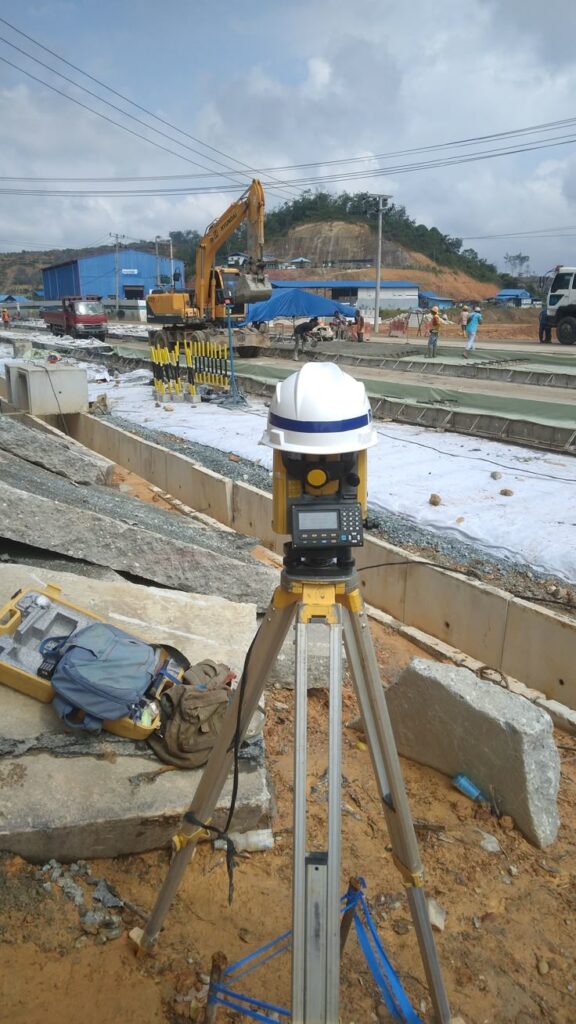
Railway Survey in India
Building and upgrading railway lines requires scientific surveying to ensure proper route selection, safety, and cost-efficiency. Railway surveys study terrain, soil conditions, gradients, land feasibility, and environmental considerations before railway development.
Types of Railway Surveys
| Type | Purpose |
|---|---|
| Reconnaissance Survey | Initial study to identify feasible route options |
| Preliminary Survey | Detailed alignment study & mapping |
| Final Location Survey | Final track alignment, land acquisition planning |
| Construction Survey | Marking & monitoring during track laying |
Techniques Used in Railway Survey
Railway surveys in India use advanced tools & techniques including:
- Total Station Survey
- DGPS / GPS Surveying
- Drone & Aerial Mapping
- LiDAR Surveying
- GIS-based Route Planning
- Topographic & Contour Mapping
- Soil & Geotechnical Investigation
These technologies provide high-precision results and reduce time required for route planning.
Key Parameters in Railway Survey
| Parameter | Importance |
|---|---|
| Terrain analysis | Determines route slope & gradients |
| Soil & rock test | Stability for track foundation |
| Hydrology study | Water flow & flood planning |
| Environmental impact | Forest & wildlife protection |
| Social feasibility | Land use & public impact |
| Cost estimation | Budget feasibility |
Importance of Railway Survey
Railway surveys ensure:
- Safe and smooth train operations
- Optimum route alignment
- Reduced construction cost & time
- Minimization of land acquisition issues
- Environmental compliance
- Efficient track design & station planning
Major Railway Tunnel & Line Projects Involving Surveying
🚆 Udhampur-Srinagar-Baramulla Rail Link (USBRL)
- One of the toughest railway projects in the world.
- Includes world’s highest railway bridge
🚆 Rishikesh-Karnaprayag Railway Line
- Tunnels through Himalayan mountains.
🚆 Mumbai-Ahmedabad Bullet Train Survey
- Extensive LiDAR corridor mapping.
🚆 Bairabi-Sairang Railway Project
- Connects Mizoram to national railway network.
Future of Tunnels & Railway Survey in India
India is heavily investing in innovative transportation infrastructure. Key future developments include:
- More Himalayan tunnels
- Hyperloop & bullet train network surveys
- Smart railway engineering solutions
- AI-based mapping & 3D corridor planning
- Sustainable tunneling & railway engineering technologies
Conclusion
Road highway tunnels and railway surveys are reshaping India’s transport network and strengthening national connectivity. From the Atal Tunnel in the North to under-sea tunnels in Mumbai, India’s tunnel projects demonstrate world-class engineering capabilities. Alongside, precision railway surveys are enabling safe, fast, and modern rail infrastructure including bullet trains, metro lines, and mountain railways.
As India continues to expand its road and rail network, both tunnels and railway surveying will remain critical pillars of infrastructure growth, national security, and economic development.