

Discover the key benefits of land surveying before starting any construction project. Ensure accuracy, legal compliance, safety, and long-term savings with professional survey
Introduction :
Before laying the foundation of any building or infrastructure, one crucial step is often overlooked—land surveying. Whether it’s for residential, commercial, or industrial projects, land surveying ensures that construction is carried out on the right piece of land with precise boundaries, topographical details, and legal clarity.
In this blog, we’ll explore the top benefits of land surveying before construction, why it’s essential, and how it can save time, money, and potential disputes.
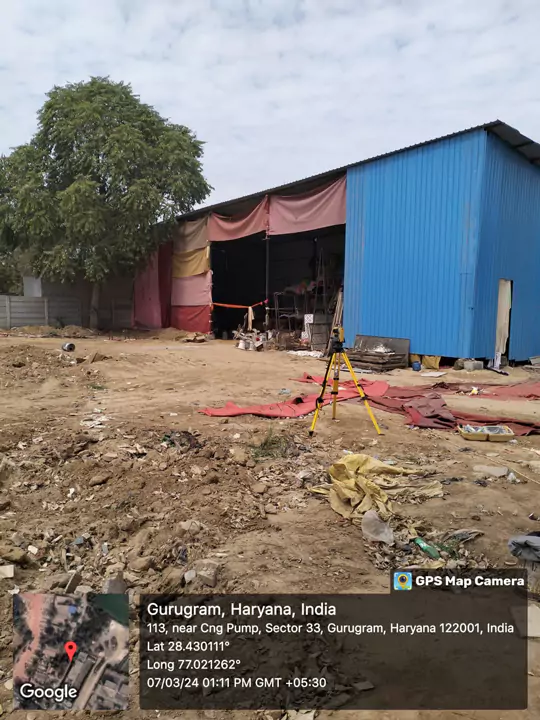
Accurate Boundary Identification
The first and most critical benefit of land surveying is defining property boundaries. Construction without proper boundary knowledge can lead to:
Encroachment on neighboring land
Legal disputes and fines
Demolition or redesign costs
A professional surveyor provides an official boundary map, ensuring construction happens within your legal property limits.
Preventing Costly Legal Disputes
Building even a few inches beyond your property line can cause disputes. Land surveying helps by:
Identifying exact land ownership
Preventing conflicts with neighbors
Providing legal documentation in case of disputes
Investing in a survey upfront avoids court cases, penalties, and project delays.
Understanding Land Survey Topography
Land is rarely flat and uniform. A topographic survey helps identify:
Slopes and elevation changes
Natural features (trees, rivers, rocks)
Soil stability and drainage conditions
This information allows architects and engineers to design safer and more efficient structures.
Compliance with Local Regulations
Every region has specific construction codes and zoning laws. A survey ensures your project complies with:
Zoning restrictions (residential, commercial, or industrial)
Building height limitations
Setback requirements (distance from road or neighboring properties)
Compliance saves time in getting permits approved and prevents future legal trouble.
Better Construction Planning
Survey results provide precise site measurements for architects and engineers, which helps in:
Preparing accurate site layouts
Estimating construction costs
Avoiding structural risks
This reduces the chances of mistakes during construction and ensures efficient project management.
Improved Safety and Risk Management
Unsafe land conditions can lead to accidents and costly damage. Surveying highlights:
Flood-prone areas
Unstable soil
Earthquake-sensitive zones
By addressing risks beforehand, surveys protect workers, equipment, and future residents.
Easier Land Valuation
A surveyed property holds more value in the market. Potential buyers and investors trust survey-certified lands because:
There’s legal proof of boundaries
Risks are already assessed
No hidden issues exist
This is especially helpful if you plan to sell or lease the property in the future.
Facilitates Infrastructure Development
For large projects like roads, bridges, or industrial plants, surveys provide critical insights into:
Road alignment
Utility placement (water, gas, electricity)
Drainage and irrigation planning
This ensures smooth development and prevents unnecessary reconstruction.
Saves Time and Money
While some property owners skip surveys to cut costs, it often leads to expensive mistakes later. A one-time survey investment can save money by avoiding:
Design errors
Legal battles
Construction delays
In the long run, surveys are cost-saving tools.
Provides Peace of Mind
Ultimately, the biggest benefit is peace of mind. Knowing that your project rests on legally verified, safe, and well-measured land reduces stress for:
Property owners
Builders
Investors
Conclusion
Land surveying is not just a technical step—it’s a foundation for safe, legal, and successful construction projects. From avoiding disputes to ensuring compliance and improving safety, the benefits are undeniable. If you’re planning a construction project, hiring a professional land surveyor should be your first step.
Frequently Asked Questions (FAQs)
Q1. Why is land surveying important before construction?
Land surveying ensures you build within your property boundaries, comply with laws, and avoid costly disputes.
Q2. How much does a land survey cost?
The cost depends on property size, location, and complexity. On average, residential land surveys may range from ₹10,000 to ₹50,000 in India.
Q3. What types of land surveys are used in construction?
Common types include boundary surveys, topographic surveys, and construction layout surveys.
Q4. Can I start construction without a land survey?
Technically yes, but it’s highly risky. You may face legal disputes, safety hazards, or financial losses later.
Q5. How long does a land survey take?
Depending on land size, it may take a few hours to several days. Complex projects may require more time.

